Owning a home is a dream come true for many. But with this dream comes responsibility. One of the most important safeguards for your home and belongings is home insurance. Yet, many homeowners aren’t fully aware of what their policy covers and what it doesn’t. Understanding your home insurance coverage is crucial to ensuring you are fully protected in the event of unforeseen circumstances.
What Is Home Insurance?
Home insurance, also known as homeowner’s insurance, is a type of policy that protects your house and possessions against damage or loss. It provides financial coverage for various risks, such as natural disasters, theft, or accidents that occur within your home. Essentially, home insurance gives you peace of mind knowing that you won’t bear the full financial burden if something goes wrong.
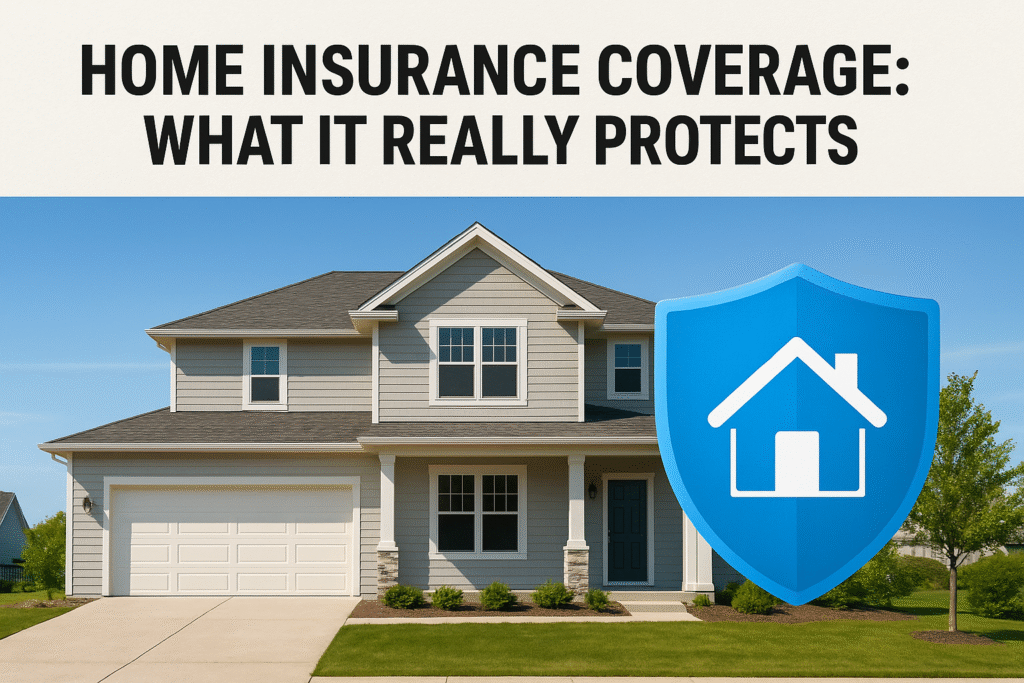
Image suggestion for Google Discover: A high-quality photo of a modern home with a protective shield icon overlay.
Key Components of Home Insurance
- Dwelling Coverage
Dwelling coverage protects the physical structure of your home, including walls, roof, floors, and built-in appliances. If your home suffers damage due to fire, storm, or other covered events, your insurance can help pay for repairs or rebuilding.
Tip for SEO: Use keywords like “home structure protection,” “dwelling coverage,” “house repair insurance.”
- Personal Property Coverage
This covers your personal belongings inside the home, including furniture, electronics, clothing, and jewelry. If these items are stolen or damaged in a covered event, your policy reimburses you for their value.
Example: If your laptop and TV are stolen during a burglary, personal property coverage helps you replace them.
- Liability Protection
Liability coverage decides to sue. It can also cover accidental damage you may cause to others’ property.
- Additional Living Expenses (ALE)
If your home becomes uninhabitable due to a covered peril, ALE coverage helps pay for temporary housing, food, and other essential living expenses until your home is repaired.
Example: If a fire damages your home, ALE coverage can cover hotel costs during repairs.
Image suggestion: A family temporarily staying in a hotel, symbolizing protection under ALE.
What Home Insurance Typically Does Not Cover
Not all damages or losses are covered by standard home insurance policies. Common exclusions include:
Floods and Earthquakes: Most standard policies exclude these, requiring separate flood or earthquake insurance.
Pests or Termite Damage: Damage caused by termites, rodents, or insects is usually not covered.
Wear and Tear: Insurance isn’t meant for routine maintenance issues like roof deterioration or plumbing problems.
High-Value Items: Expensive jewelry, collectibles, or art may need additional riders for full coverage.
SEO tip: Use keywords like “home insurance exclusions,” “what home insurance doesn’t cover.”
Factors Affecting Your Home Insurance Coverage
Several factors influence the type and amount of coverage you receive:
Location of the Home
Homes in high-risk areas for floods, hurricanes, or wildfires may require special policies.
Home Value and Size
Larger homes or homes with high-value assets will need higher coverage limits.
Age and Condition of the Home
Older homes might have outdated plumbing or electrical systems, which can affect insurance rates.
Security Features
Installing smoke detectors, burglar alarms, and security systems can lower premiums.
Image suggestion: Infographic showing factors affecting home insurance premiums.
Choosing the Right Home Insurance Policy
Assess Your Needs: Understand what you want to protect and determine the value of your property and belongings.
Compare Policies: Don’t settle for the first insurer. Compare premiums, coverage, and customer service.
Check Deductibles: Higher deductibles can lower premiums but will increase out-of-pocket costs during a claim.
Read the Fine Print: Ensure you understand exclusions, limits, and claim procedures.
SEO tip: Use long-tail keywords like “how to choose home insurance,” “best home insurance coverage.”
How Claims Work
Understanding how to file a claim is as important as having insurance:
Report the Damage Promptly: Contact your insurer immediately after an incident.
Document Everything: Take photos, videos, and keep receipts of damaged items.
Work With Adjusters: Insurance adjusters will assess the damage to determine compensation.
Receive Compensation: After review, you receive payment for covered losses, minus your deductible.
Image suggestion: A home insurance adjuster inspecting a house.
Tips to Maximize Your Home Insurance Coverage
Inventory Your Belongings: Maintain a list of all possessions with photos and receipts.
Upgrade Security Measures: Installing alarm systems, surveillance cameras, and fire extinguishers may lower premiums.
Review Annually: Update your policy to reflect home renovations, added structures, or new valuables.
Consider Riders for High-Value Items: Jewelry, collectibles, or electronics may require additional coverage.
Common Misconceptions About Home Insurance
It Covers Everything: Many assume standard policies cover all types of damage; however, natural disasters like floods often require separate policies.
It’s Too Expensive: While insurance is an expense, it protects you from potentially devastating financial loss.
Liability Isn’t Important: Liability coverage is essential, especially for families, to protect against lawsuits or accidents.
Image suggestion: Comparison chart of misconceptions vs. reality in home insurance.
Benefits of Having Home Insurance
Financial Protection: Safeguards your home and possessions against unexpected disasters.
Peace of Mind: Reduces stress knowing you’re covered in emergencies.
Legal Protection: Liability coverage protects you in case of lawsuits.
Support for Temporary Living Expenses: ALE coverage helps maintain your lifestyle during home repairs.
SEO tip: Keywords – “benefits of home insurance,” “why home insurance is important.”
Final Thoughts
Home insurance is more than just a policy; it’s a safety net. Knowing what your coverage protects—and what it doesn’t—ensures that you can make informed decisions and secure the right protection for your home and loved ones. From dwelling coverage to personal property and liability protection, understanding each component helps you avoid unpleasant surprises when you need insurance the most.
Investing time in understanding your home insurance policy today can save you significant stress and financial loss tomorrow. Choose wisely, compare policies, and make sure your home is truly protected.