Holistic Ayurveda Tips to Reduce Stress and Anxiety Naturally
Discover Ayurvedic remedies and lifestyle practices that naturally reduce stress and anxiety. Learn how herbs, yoga, and diet help restore balance for inner peace and well-being.
The Modern Epidemic of Stress
In today’s hyper-connected, fast-paced world, stress and anxiety have quietly become the most common health challenges. Deadlines, financial pressures, digital overload, and lack of rest have left millions searching for natural, sustainable ways to restore calm.
This is where Ayurveda, India’s ancient system of holistic healing, offers profound wisdom. Instead of masking symptoms, Ayurveda focuses on balancing the body, mind, and spirit. By addressing the root cause of imbalance, Ayurvedic practices help you manage stress naturally—without side effects.
In this article, we’ll explore practical, science-backed Ayurvedic tips to reduce stress and anxiety, improve emotional well-being, and bring your life back into harmony.
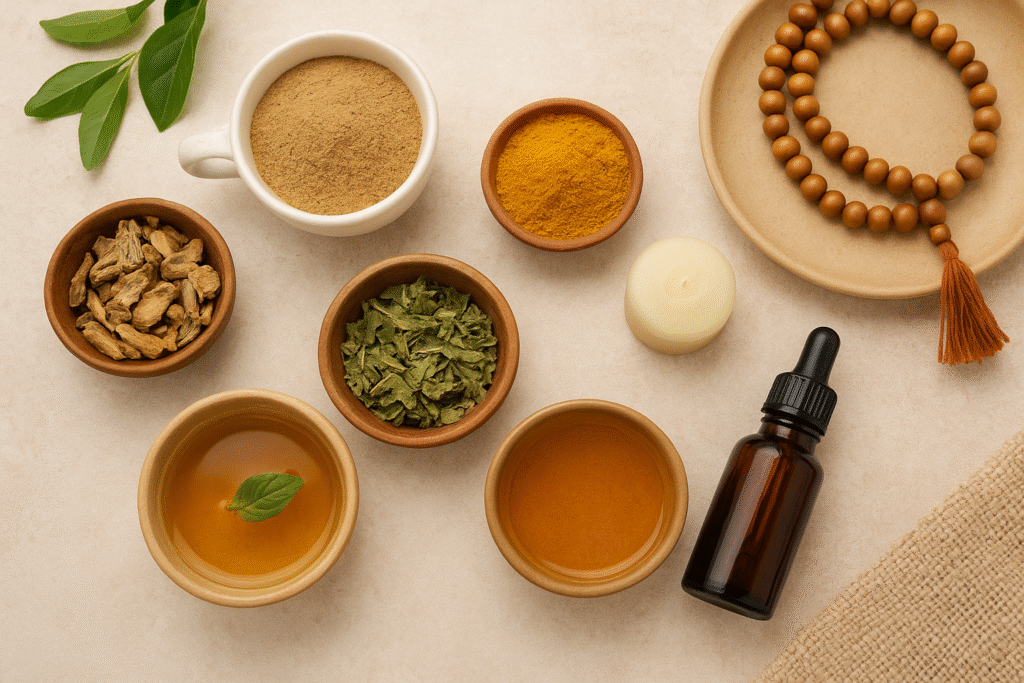
🌿 1. Understanding Stress Through Ayurveda
According to Ayurveda, stress and anxiety arise from an imbalance in the doshas—the three biological energies that govern our body and mind:
- Vata (air and space): Governs movement and nervous system activity
- Pitta (fire and water): Controls metabolism and emotions
- Kapha (earth and water): Provides stability and calm
When Vata dosha becomes excessive (due to overthinking, lack of rest, or irregular routines), it can lead to restlessness, insomnia, and anxiety.
Ayurveda’s goal is to ground Vata and re-establish balance through diet, lifestyle, and natural remedies.
☀️ 2. Follow a Consistent Daily Routine (Dinacharya)
Ayurveda emphasizes the power of routine to stabilize the mind. A regular daily rhythm helps calm the nervous system and reduce Vata imbalance.
Try these Ayurvedic routine habits:
- Wake up early (before sunrise) – This time, known as Brahma Muhurta, enhances mental clarity and peace.
- Scrape your tongue and drink warm water – Detoxifies and activates digestion.
- Practice gentle yoga or stretching – Awakens the body and increases energy flow.
- Eat meals at consistent times – Supports digestion and emotional balance.
- Sleep by 10 p.m. – Restores the nervous system and improves mood.
Consistency creates predictability, which reduces anxiety and promotes calm.
🧘♀️ 3. Practice Pranayama (Breathwork)
Breath is the bridge between body and mind. When your breathing becomes shallow or erratic, your stress levels rise. Pranayama, or controlled breathing, calms the mind instantly.
Top Ayurvedic breathing techniques:
- Anulom Vilom (Alternate Nostril Breathing): Balances both brain hemispheres and relieves anxiety.
- Bhramari (Bee Breath): Soothes the mind and improves focus.
- Deep belly breathing: Expands lung capacity and lowers cortisol levels.
Practicing pranayama for just 10 minutes daily can significantly reduce mental tension and promote clarity.
🪷 4. Nourish Your Body with Sattvic Foods
Food is more than fuel—it carries energetic vibrations that influence your mood and mind. Ayurveda recommends a Sattvic diet (pure, light, and nourishing foods) to promote peace and vitality.
Sattvic foods include:
- Fresh fruits and vegetables
- Whole grains like rice and quinoa
- Herbal teas (especially tulsi, chamomile, or ashwagandha)
- Nuts, ghee, and cow’s milk in moderation
- Fresh herbs like coriander, basil, and mint
Avoid: Processed foods, excess caffeine, alcohol, and spicy or fried items, as they increase Rajas (restlessness) and Tamas (lethargy).
🌼 5. Herbal Remedies for Stress and Anxiety
Ayurveda’s herbal pharmacopeia is rich with adaptogens—natural substances that enhance resilience to stress and balance the nervous system.
Top Ayurvedic herbs for stress relief:
🌿 Ashwagandha (Withania somnifera)
Known as the “Indian Ginseng,” ashwagandha reduces cortisol levels, improves sleep, and boosts mental strength.
🌿 Brahmi (Bacopa monnieri)
Enhances memory, reduces anxiety, and supports cognitive clarity.
🌿 Tulsi (Holy Basil)
A sacred herb that detoxifies the body, calms nerves, and strengthens immunity.
🌿 Jatamansi (Spikenard)
A potent herb that relaxes the mind and improves sleep quality.
🌿 Shankhpushpi (Convolvulus pluricaulis)
Reduces mental fatigue and sharpens focus.
You can consume these herbs as teas, capsules, or in powdered form with warm milk or water (consult an Ayurvedic practitioner for correct dosages).
🛁 6. Abhyanga – The Calming Ayurvedic Oil Massage
One of Ayurveda’s most effective therapies for stress is Abhyanga, a warm oil self-massage that soothes the body and nervous system.
How to do it:
- Warm up natural oil like sesame or coconut.
- Gently massage your body from head to toe in circular motions.
- Let it soak for 15–20 minutes before a warm bath.
This practice:
- Reduces anxiety and insomnia
- Improves blood circulation
- Nourishes the skin
- Promotes deep relaxation
Doing Abhyanga 2–3 times a week can bring an instant sense of grounding and inner peace.
🪔 7. Meditate Daily for Inner Balance
Meditation is a cornerstone of both Ayurveda and yoga. Regular meditation helps you observe thoughts without attachment, which naturally reduces anxiety and promotes mindfulness.
Simple Ayurvedic meditation steps:
- Sit comfortably in a quiet space.
- Focus on your breath or repeat a calming mantra like “Om Shanti”.
- Begin with 5 minutes and gradually increase to 20 minutes daily.
Meditation activates the parasympathetic nervous system, which slows your heart rate, reduces cortisol, and restores balance to your body-mind connection.
🌿 8. Aromatherapy: Healing Through the Senses
In Ayurveda, your senses are gateways to healing. Aromatherapy uses plant-based essential oils to calm the mind and balance emotions.
Recommended Ayurvedic essential oils:
- Lavender: Reduces anxiety and promotes sleep.
- Sandalwood: Enhances concentration and inner peace.
- Rose: Balances emotional heart and reduces stress.
- Vetiver: Grounds Vata energy and stabilizes emotions.
Diffuse these oils in your room, add a few drops to your bath, or apply them (diluted) to pulse points for instant calm.
☕ 9. Ayurvedic Teas to Calm the Mind
A warm cup of herbal tea can be deeply comforting. Ayurveda offers several blends that help restore calm and reduce mental agitation.
Top calming Ayurvedic teas:
- Ashwagandha and cinnamon tea: Balances hormones and relieves fatigue.
- Brahmi and tulsi tea: Improves focus and uplifts mood.
- Chamomile and fennel tea: Promotes better sleep and digestion.
Sipping these teas in the evening can prepare your body for deep relaxation.
🌙 10. Improve Sleep with Ayurvedic Night Rituals
Restful sleep is essential for mental well-being. Ayurveda recommends a nighttime routine (Ratricharya) to support relaxation and prepare your body for rejuvenation.
Try this routine:
- Avoid screens at least 1 hour before bed.
- Drink warm milk with nutmeg or turmeric.
- Massage your feet with sesame oil before sleeping.
- Keep your bedroom cool, quiet, and dark.
- Sleep between 10 p.m. and 6 a.m.
Deep, uninterrupted sleep balances the nervous system and enhances your ability to cope with stress naturally.
🌞 11. Balance Your Mind Through Nature
Ayurveda teaches that spending time in nature restores the mind’s balance. The fresh air, sunlight, and greenery help neutralize mental toxins (ama).
Ayurvedic nature therapies:
- Take morning walks in the sunlight.
- Practice yoga outdoors.
- Walk barefoot on grass (Earthing).
- Spend quiet time near trees or water.
Even 20 minutes of connection with nature can significantly lower stress hormones and boost mood.
🧘♂️ 12. Practice Gratitude and Mindfulness
Mental peace grows when you focus on the present moment. Ayurveda encourages gratitude and mindfulness as daily habits to cultivate positivity.
Ways to practice:
- Start your day by listing 3 things you’re grateful for.
- Eat mindfully—avoid screens and distractions.
- Reflect on your day before sleeping, without judgment.
This simple shift in awareness reduces anxiety and builds resilience over time.